The Astrophysical Research Laboratory (ARL)
Center for Astrophysics and Space Astronomy
University of Colorado
August 11, 2004
ARL is located in the University of Colorado’s Research Park on the East Campus, about a mile from the center of the main campus. It is a single storey building situated in the wetlands of Boulder Creek and has free and plentiful parking for its users. With a total of about 35,000 square feet it includes laboratories dedicated to space astronomy and offices for the scientists, engineers and students who work on the projects.
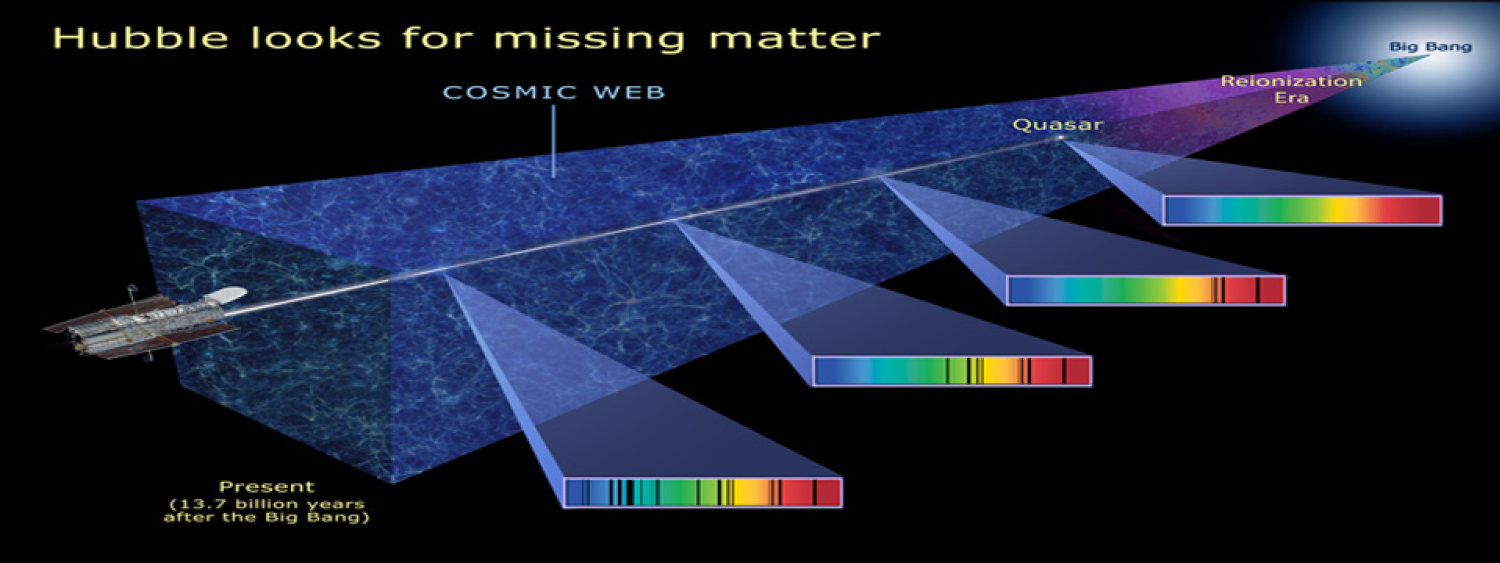
The building was constructed in 1985, and renovated for astronomy in 1995 when CASA moved in. In August 2004, CASA completed a new office wing to ARL designed to support the additional needs for data analysis when the Cosmic Origins Spectrograph is installed on the Hubble Space Telescope. The building is wired for high speed communications and computing. CASA’s staff provides support for computer needs in both the laboratories and the offices.
Features of ARL include:
- Six private laboratories that can be isolated from traffic and darkened as needed by the experimenters.
- An 8000 square foot high bay that allows for long baseline optical work and which houses some of the large common usage vacuum facilities.
- A class 1000 Clean Room
- A dedicated room for Bonded Storage
- A dedicated room for Bonding and Cleaning
- A Machine Shop
- A large vacuum tank that opens into the clean room for calibration and testing of flight quality components and systems.
- A facility for vacuum bakeout, cleanliness assessment and thermal cycling.
- A 20 foot long 30” diameter vacuum facility with Newtonian telescope for calibration and testing of x-ray and ultraviolet experiments in less rigorous contamination environment.
- A vacuum facility for calibration of optics and detectors. Fed by both x-ray and UV monochromators, the facility has a six axis goniometer, resident detectors and calibration transfer standards.
ARL, although less than ten years old, already has an extensive history in support of astronomical instrumentation. It has been used in support of:
- The spectrograph for the Far Ultraviolet Spectroscopic Explorer (FUSE).
- The optics for the Cosmic Origins Spectrograph (COS).
- Numerous sounding rocket experiments in the ultraviolet, extreme ultraviolet and soft x-rays
- SOFIA, NASA’s infrared stratospheric facility
- Bolocam, a deep infrared ground based project
- X-ray Interferometry for MAXIM and the Black Hole Imager
- NICFPS, a focal plane package for APO.