CU Wins Hubble Study Time
University Traditionally Ranks Near the Top for Space Telescope Use
By Dan Tesone
Daily Camera
February 7, 2000
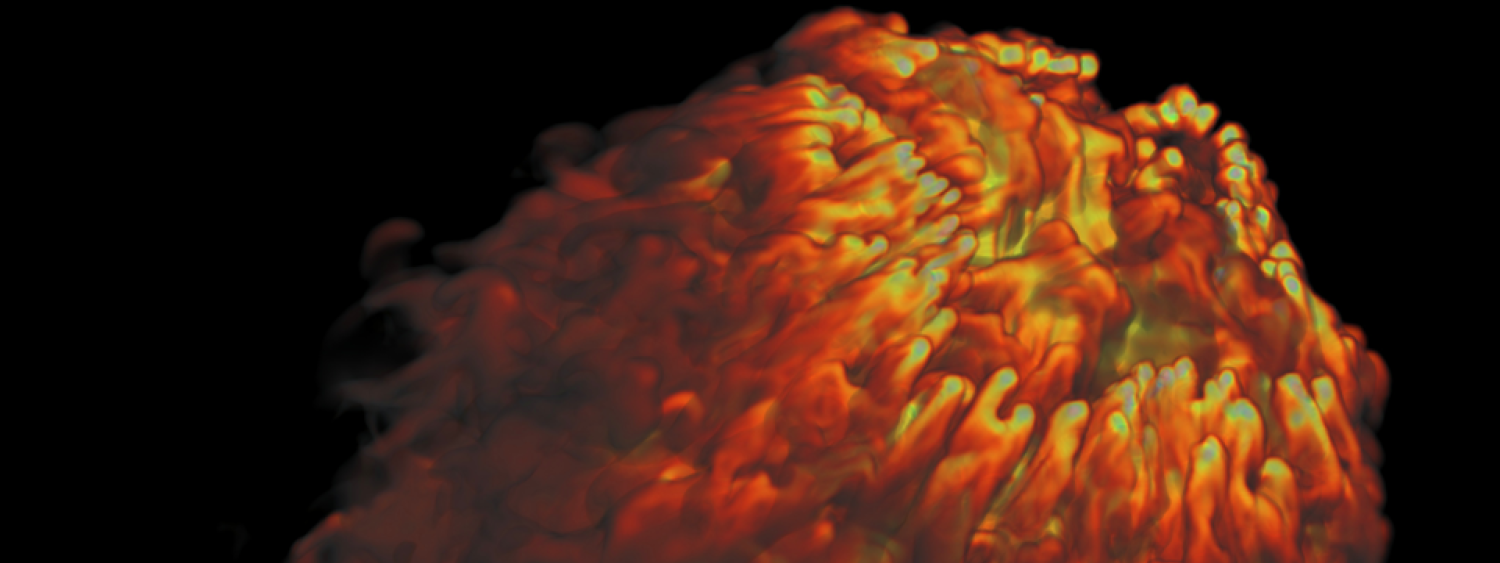
University of Colorado astrophysicist Jon
Morse will be studying a newly formed star similar to this one during
the Hubble Space Telescope time allotted him beginning in June. Morse
and other researchers at the University of Colorado were awarded 287
orbits to conduct research with Hubble.
 | |
University of Colorado researchers have been awarded a significant amount of hotly contested observation time on the Hubble Space Telescope.
Twelve CU proposals were accepted to be part of the roughly year-long observation schedule that begins in June. CU researchers will have 287 orbits, nearly 10 percent of the Hubble's 3,000 total orbits, to conduct their research.
CU traditionally ranks first or second among public universities in getting observation time on the 10-year-old Hubble.
Only one out of six proposals get approved," said Mike Shull, a CU astrophysicist. The proposals that get approved involve the best, technologically feasible science, he said.
Shull attributes CU's success in garnering observation time to a primary focus on space astronomy. CU does not have a groundbased telescope so most of the research is directed toward space astronomy, he said.
"CU usually gets between five and 10 percent of the (viewing) time," Shull said.
The Associated Press reports that the European scientific community garners between 20 percent and 23 percent of the Hubble viewing time.
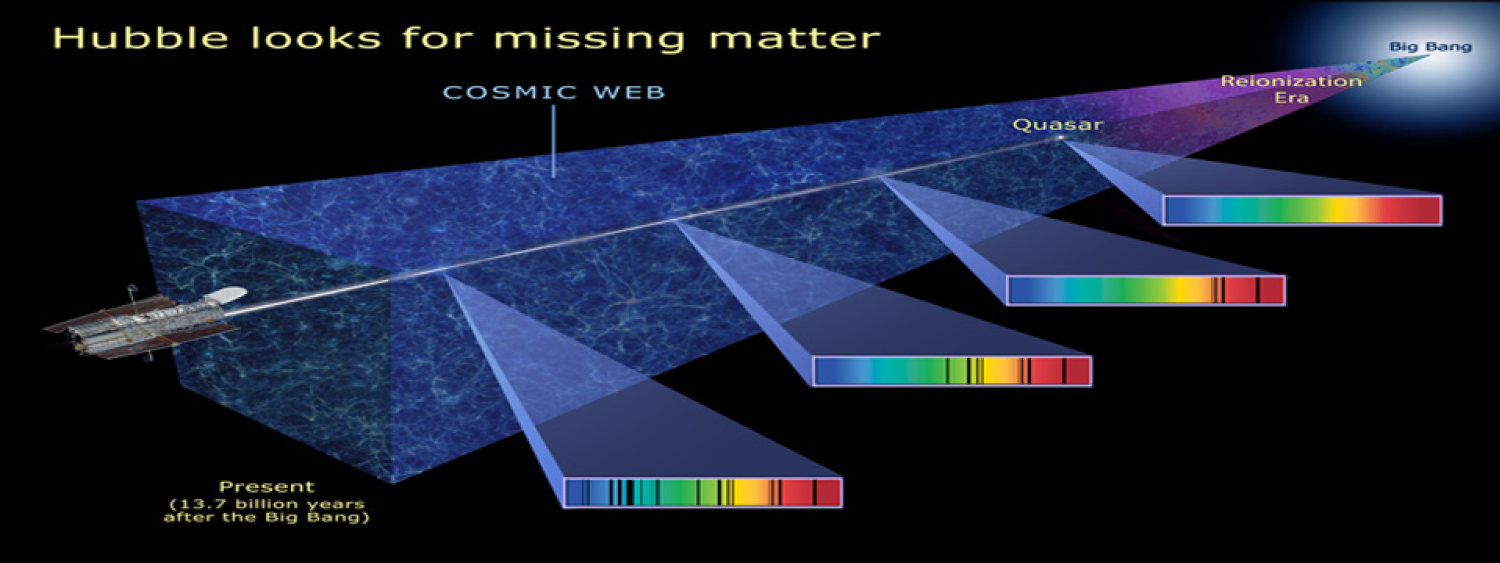
Shull will get to use 25 of CU's 287 96-minute orbits to study the chemical evolution of the universe.
Brad Gibson, a physics research associate, will use 123 orbits to determine the ages of the oldest stars in the universe.
"We're going to point the telescope at a globular cluster" and study the oldest dateable objects in the universe, Gibson said. "This will provide the first observational data point for the age of the universe."
Gibson said his project will be one of deepest exposures ever taken by Hubble since it will be focused on the same area for the entire 123 orbits.
Astrophysicist Jon Morse will study a protostellar jet, a newly formed star, inside the Taurus constellation for 30 orbits. The protostellar jet, called HH-30, is a collapsed star that shoots out gases at approximately 1.5 million mph through bipolar jets.
Morse said he hopes to uncover how a star can continue to shoot out a stream, light-years long, without losing or gaining mass. Another study will try to find out how the volcanic gasses on Io, one of Jupiter's moons, are similar to or different from the gasses emitted by volcanoes on Earth.
The remaining 109 orbits will be split between nine other CU projects.
Shull and other CU researchers have teamed with Ball Aerospace to build a Cosmic Origins Spectrograph, intended to enhance the capabilities of Hubble. COS is slotted to be installed in 2003. Ball Aerospace is the original builder of the Hubble camera and spectrograph.
|