CASA Home Page
 
  Search:
  

Instrument Built by CU Spacebound

By Ann Schrader
Denver Post Medical/Science Writer
February 16, 1998

A $9 million spectrograph that will probe the secrets of stars, quasars and interstellar gas has been shipped by the University of Colorado for integration into a fall NASA mission.

The instrument, designed and built by CU Boulder faculty and students, is the heart of the $100 million Far Ultraviolet Spectroscopic Explorer, or FUSE.

Johns Hopkins University in Baltimore, where the instrument was sent Wednesday, is managing the mission as part of NASA's Explorer program. It is set for launch in October by an unmanned rocket from Cape Canaveral.

John Andrews, CU-Boulder's mission manager on the project, said the spectrograph was built under budget and on schedule. He noted that "we have a lot of work to do in supporting an October launch."

Four telescopes on the spacecraft will gather ultraviolet light, which will be broken down by the spectrograph. The bits of light are expected to yield new data on the temperatures, densities and chemical makeup of distant space objects.

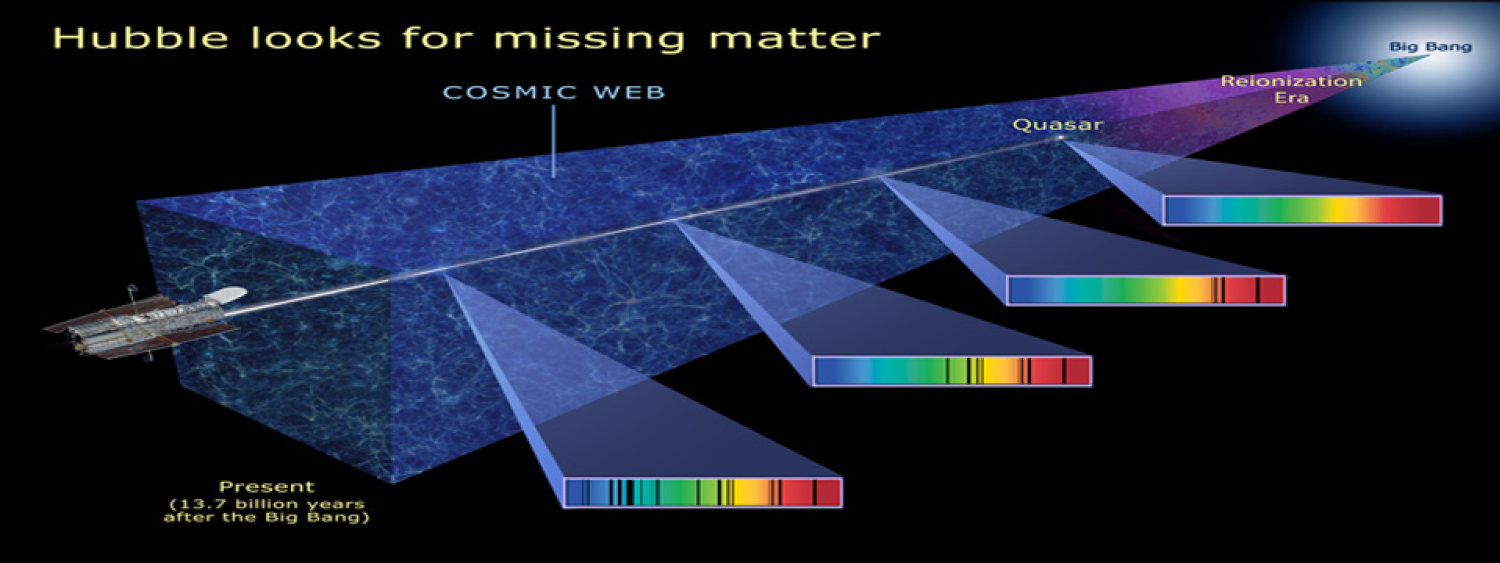
FUSE will peer at ultraviolet light from sources up to 3 billion light years away. The far ultraviolet light portion of the electromagnetic spectrum only can be observed outside Earth's atmosphere and FUSE will look at wavelengths that the Hubble Space Telescope can't.

The hope is that FUSE will allow scientists to learn more about the universe's early evolution as well as the properties of hot gas in the Milky Way and Magellanic Clouds. Andrews said supernovae, such as the supernova 1987A that has received publicity this week, and primordial gases in comets and planetary atmospheres also will be targets.

The FUSE spectrograph is an earlier version of the $25 million cosmic origins spectrograph, which CU­Boulder and Ball Aerospace Systems Group of Boulder have been selected to build for the space telescope. It is scheduled to be installed during 2002.